






Morpho-Physiological and Genetic Evaluation of Wheat Under Drought Stress for Climate Resilient Crop Improvement
Research Team:
- Dr. Vipul Baldaniya (PI) - Assistant Professor (Crop Physiology), GUNI-KKIASR
- Dr. Deepak Sharma (Co-PI) - Assistant Professor (Genetics and Plant Breeding), GUNI-KKIASR
- Dr. Jasmee Patel (Co-PI) - Assistant Professor (Plant Pathology), GUNI-KKIASR
Objectives:
- To procure diverse wheat genotypes from different eco-climatic zones.
- To characterize the genotypes for yield and related traits under drought stress conditions.
- To identify morpho-physiological and biochemical markers responsible for drought tolerance in wheat.
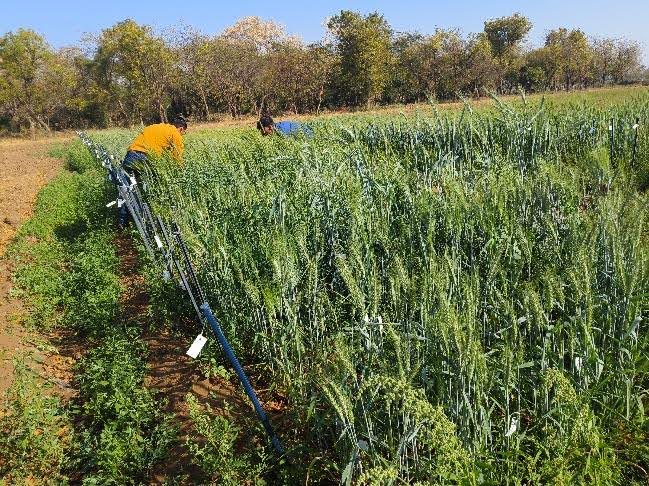
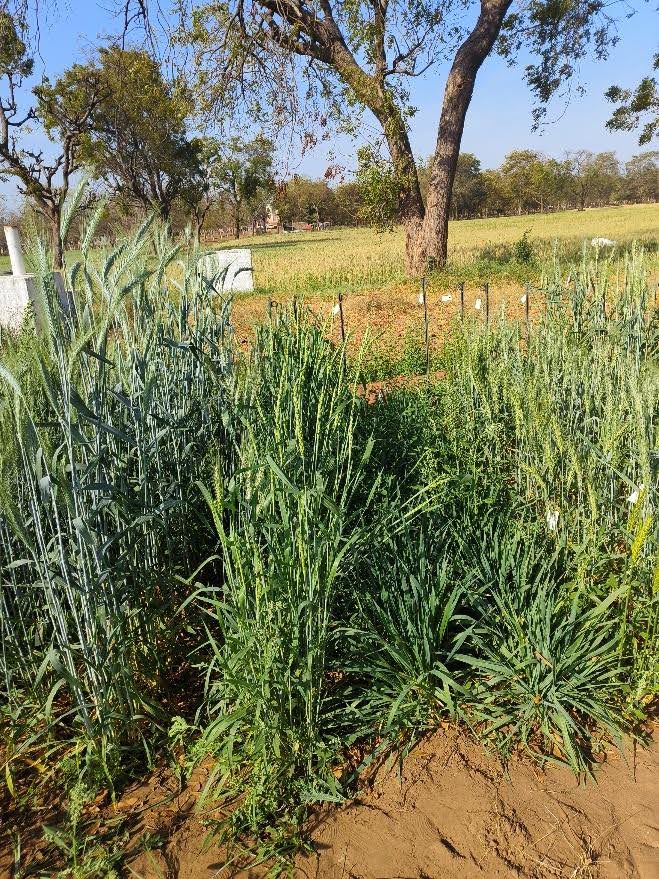
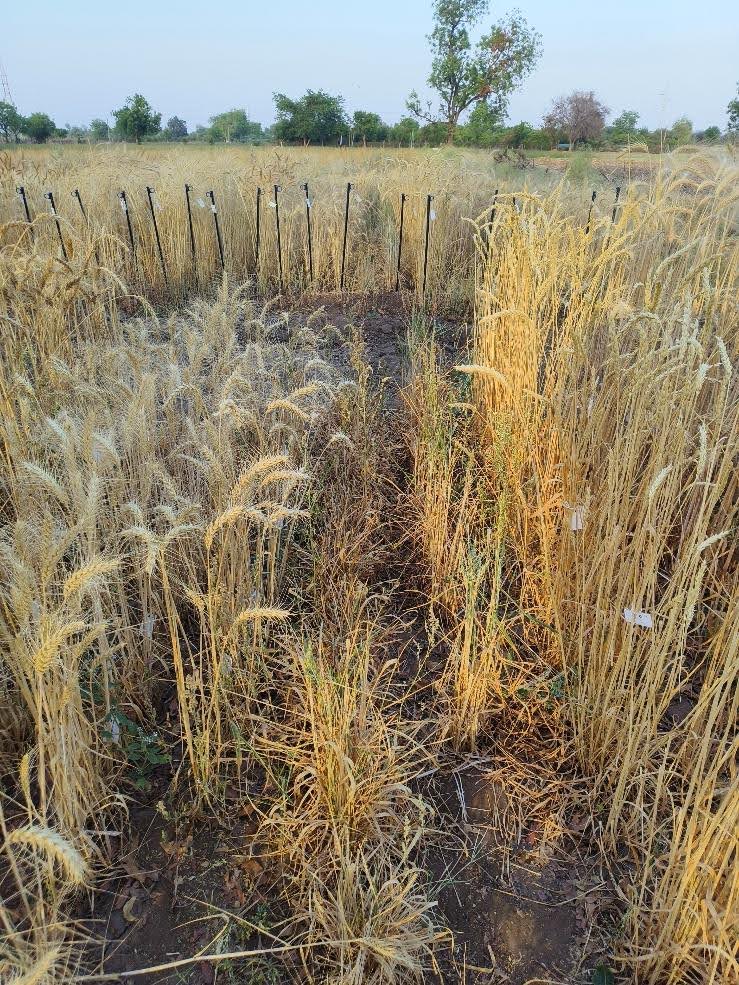
Climate change has emerged as a major challenge to global agriculture, particularly through increased drought frequency and severity that adversely affects crop productivity. Wheat, a staple food crop for a significant portion of the global population, is especially vulnerable to these environmental stresses. The present research aims to evaluate the drought stress tolerance of 100 diverse wheat genotypes under controlled field conditions using morpho-physiological and genetic parameters.
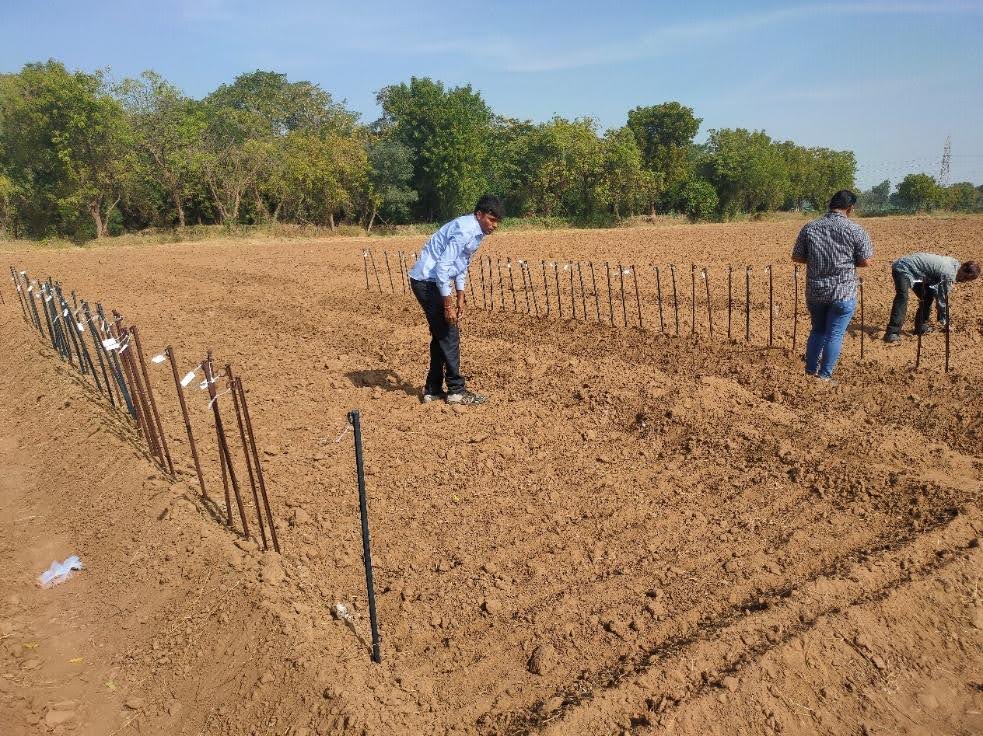
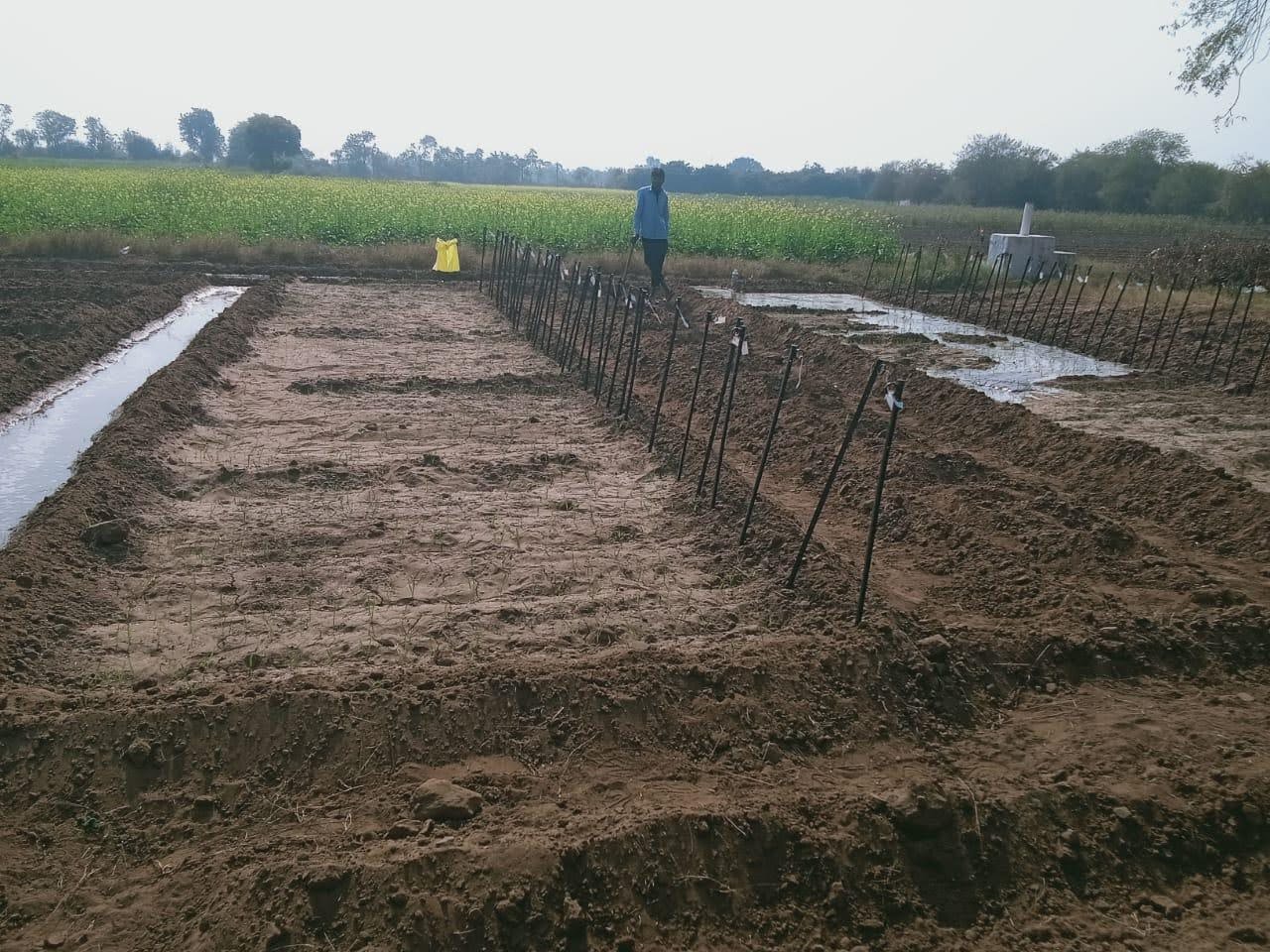
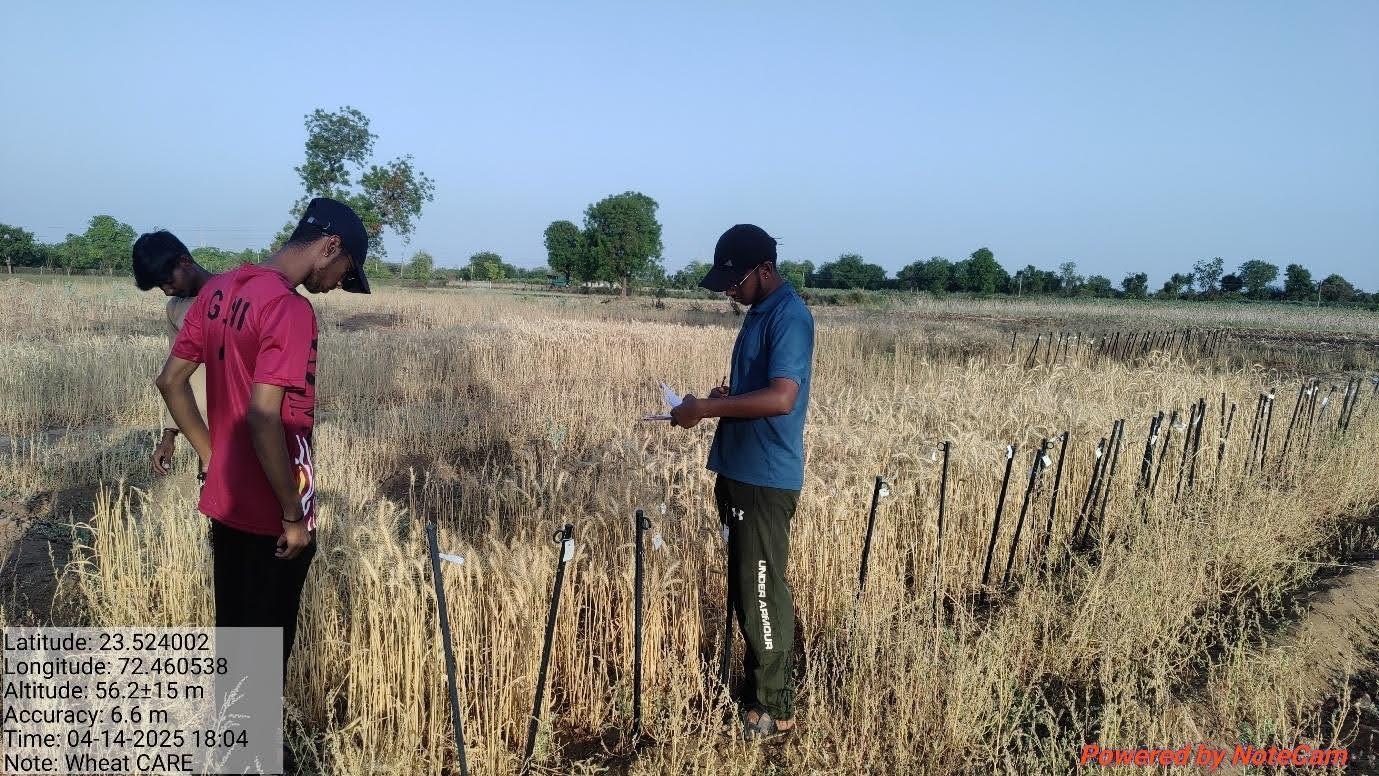
The experiment is conducted at the research farm of K. K. Institute of Agriculture Science and Research, Ganpat University, using a randomized block design with multiple drought treatments during critical growth stages. The study focuses on traits such as plant height, tiller number, chlorophyll content, membrane stability, relative water content, and yield components under stress. Additionally, biochemical markers like proline content and stress indices (DSI, TOL, TE) are evaluated to determine drought resilience.
This research will help identify and select high-yielding, drought-tolerant wheat genotypes suitable for dry and semi-arid regions like North Gujarat. The findings are expected to contribute significantly to the development of climate-resilient wheat varieties, supporting national and global priorities in food security and sustainable agriculture.
Gallery